
Male Lesser Spotted Woodpecker (c) 2024 Jane Robinson
Around a week ago a former Friday morning stalwart went just out of county to have a close encounter with a bird, which is become harder and harder to see locally.
Ditto

ditto

ditto
 On Tuesday we returned to Alkborough. Rain hadn’t really been forecast, but it rained virtually all morning. Alison and I heard a Grasshopper Warbler reeling before everyone arrived. Unfortunately, it never called again. On the walk we heard plenty of booming Bitterns, probably at least 3 individuals. We were lucky to catch glimpses of a pair of Bearded Tits very close to the path. A very smart male Reed Bunting was nearby, plus a male Linnet. We saw several white birds flying around. Most of these were Little Egrets, but we did see a Great White Egret and a pair of immature Spoonbills flying towards the river.
 Male Linnet

Immature Spoonbills

ditto

When we got to the end of the long straight road there was a nearly flooded field, which contained over 100 Black-tailed Godwits and at least 5 Redshank.
Black-tailed Godwits

ditto

The highlight was probably the pair of Grey Wagtails around the car park. We had an especially good view of the male.
Male Grey Wagtail

ditto

ditto

ditto

Female Grey Wagtail

We had a very cold Wednesday at North Cliffe Wood. The Bluebells were almost at their absolute best. One of the first birds was a Treecreeper not too far from the posh garden fence. After lunch we saw two marsh Tits in the Mountain Ash trees just before we had a rendezvous with the treecreeper. Shortly afterwards we enjoyed a view of a Blackcap, swiftly followed by a male chasing a female for several minutes. The heath was the most reliable area with a Green Woodpecker, several Willow Warblers, soaring Kestrels and a distant Buzzard.
Treecreeper

ditto

Marsh Tit
.jpg)
ditto

Blackcap

WillowWarbler

Willow Warbler (c) 2024 Mike Hind

Bluebells

ditto

ditto

Common Haircut Moss (c) 2024 Mike Hind

Oak Apple Gall

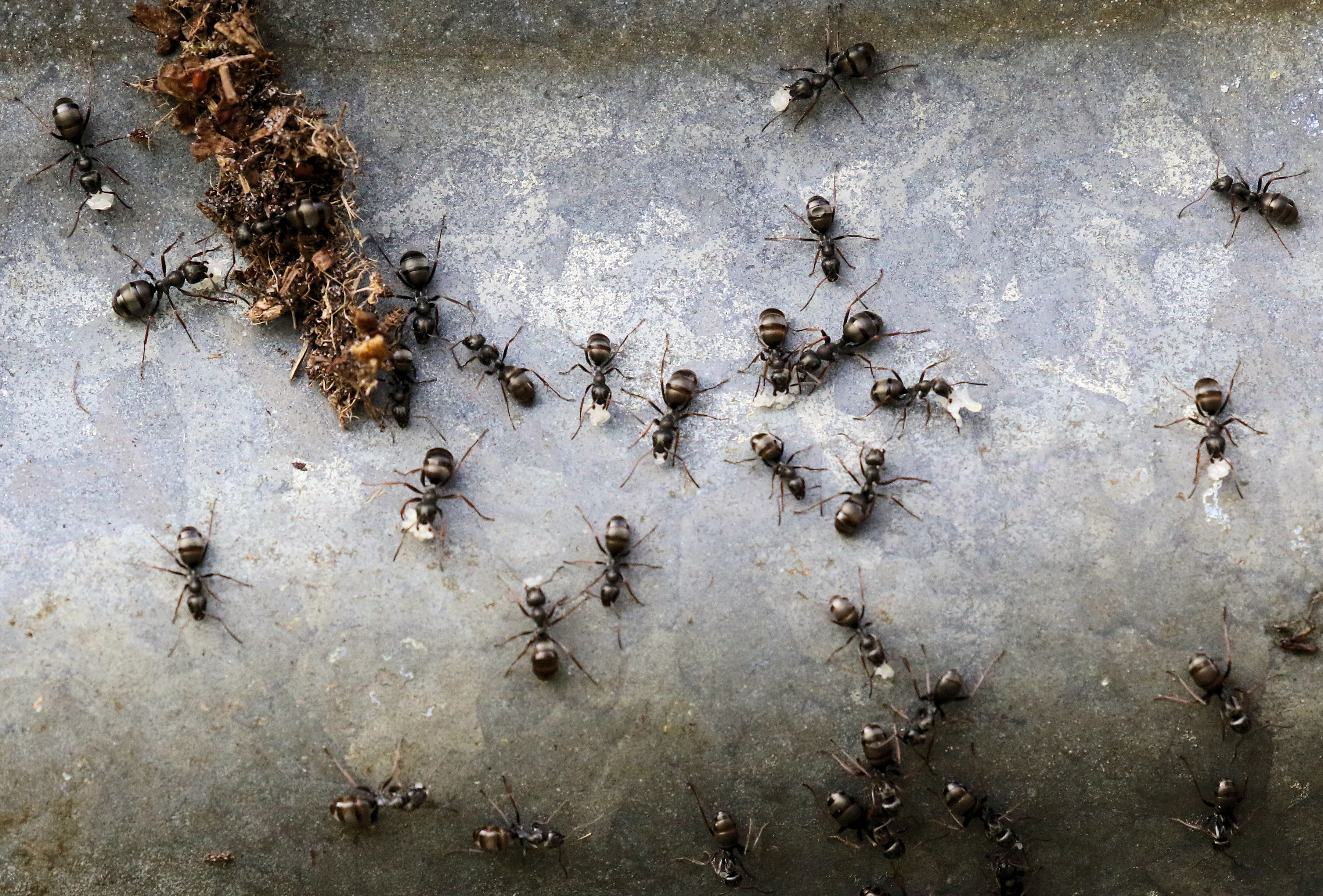
Wood? Ants
A couple of the Wednesday crew went to a rather quiet THL.
Gadwall (c) 2024 Tony Robinson

Greylag Geese (c) 2024 Tony Robinson

Hare (c) 2024 Tony Robinson

ditto

ditto

On Thursday we returned to Welton Waters after a short hiatus - possibly since before the pandemic. The rabbit hutches have encroached closer to the natural habitat. We went down the first lane. The Yellowhammers and Linnets were still in residence, but there was only one Willow Warbler and a single Whitethroat. There were more Yellowhammers in the lumpy field; whilst in the next field a Great Spotted Woodpecker landed on a telegraph pole. Returning to the main lane we saw a pair of Bullfinches. On the time we were serenaded, or should that be deafened by various Cetti’s Warblers. We also heard Chiffchaffs and Blackcaps, and saw the latter on our return journey. There was a Great Crested Grebe on the main lake, whilst a swarm of Swallow and Sand Martins were in a feeding frenzy above the water with just a couple of House Martins seen. While we were watching this scene a Kingfisher flew past us very low over the water. A few minutes later it returned. When we reached the riverbank we heard both Reed & Sedge Warblers, but failed to see either. We were luckier with a pair of Reed Buntings.
Yellowhammer

ditto

Yellowhammer (c) 2024 Mike Woods


Goldfinch

Goldfinch (c) 2024 Mike Woods


Roe Deer

Roe Deer (c) 2024 Mike Woods


Orange-Tip (c) 2024 Mike Woods

ditto

On Friday we participated in the Hull City Nature Challenge. Every piece of wildlife we encountered at Noddle Hill Nature Reserve had to be counted and logged. This made taking photos a little bit tricky.
Linnet

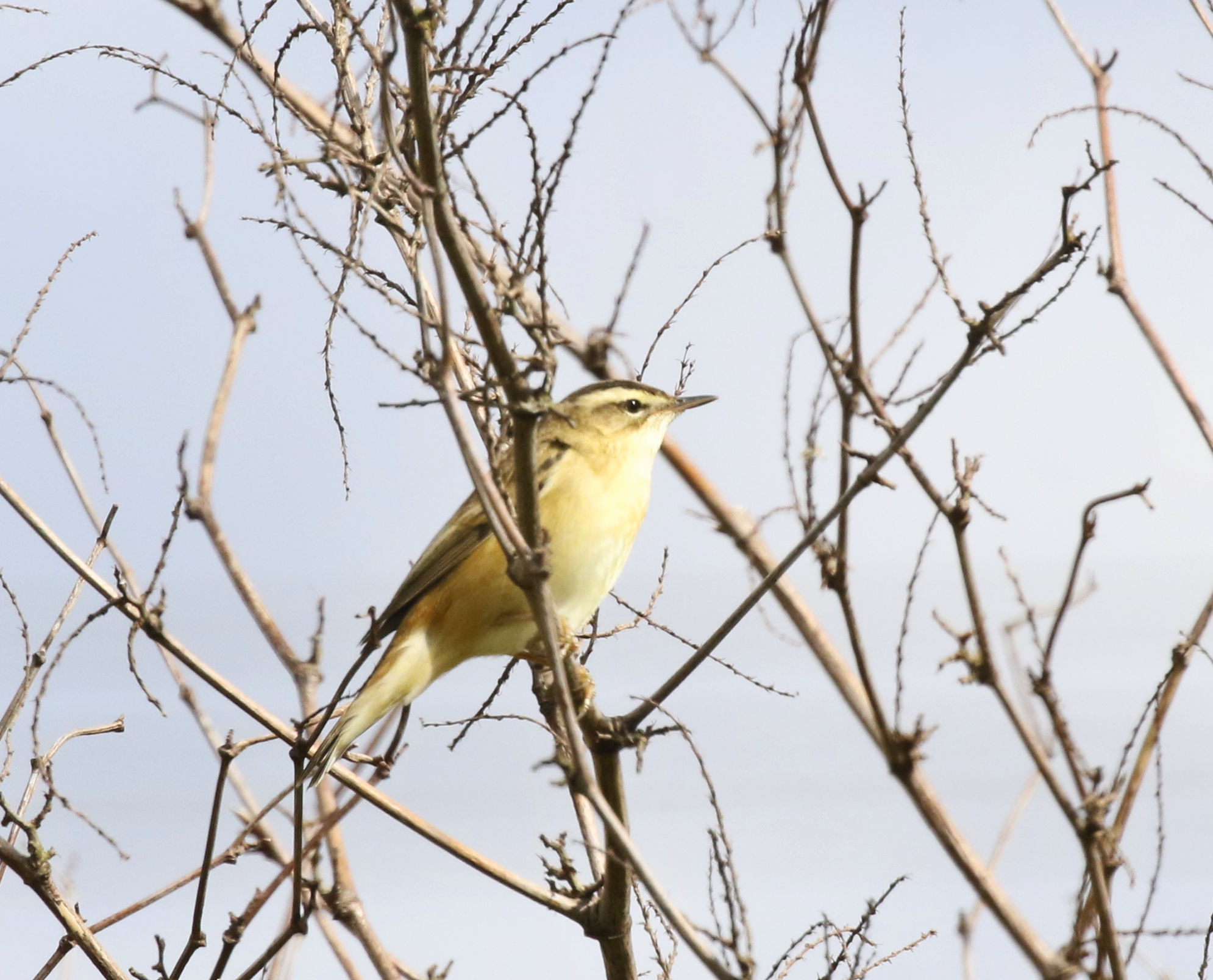
Sedge Warbler
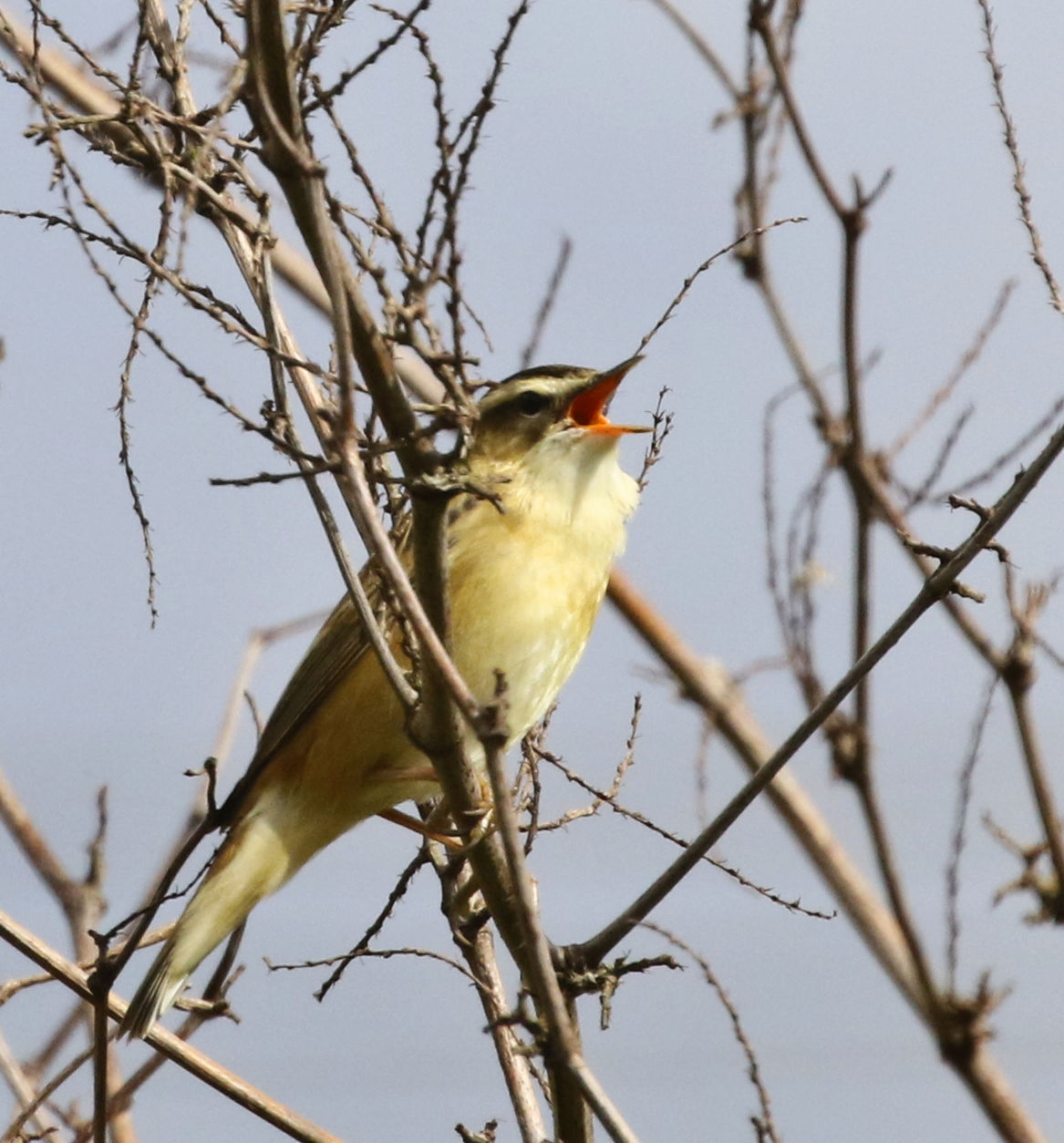
ditto
The full tally of the wildlife we encountered is:
Blackbird 7
Blackcap 5
Blue Tit 2
Bullfinch 3
Buzzard 3
Carrion Crow 5
Cetti's Warbler 2
Chaffinch 4
Chiffchaff 7
Dunnock 5
Goldfinch 16
Great Tit 1
GSW 1
Greenfinch 1
Greylag G 41
Heron 1
Herring Gull 14
Kestrel 1
L. Whitethroat 5
LBB Gull 5
Linnet 16
L. Egret 1
L.T. Tit 1
Magpie 2
Mallard 34
Marsh Harrier 1
Mistle Thrush 3
Moorhen 5
Pheasant 4
Reed Bunting 6
Reed Warbler 1
Robin 1
Feral Pigeon 2
Sedge Warbler 2
Skylark 5
Song Thrush 1
Sparrowhawk 1
Starling 4
Stock Dove 1
Swallow 3
Whitethroat 6
Willow Warbler 4
Woodpigeon 29
Wren 5
Butterfly
Green-veined White 1
Mammal
Roe Deer 4
Two Wednesday stalwarts have been away to Shropshire. Here are the results.
Nuthatch (c) 2024 Symon Fraser

ditto

Male Pied Flycatcher (c) 2024 Symon Fraser

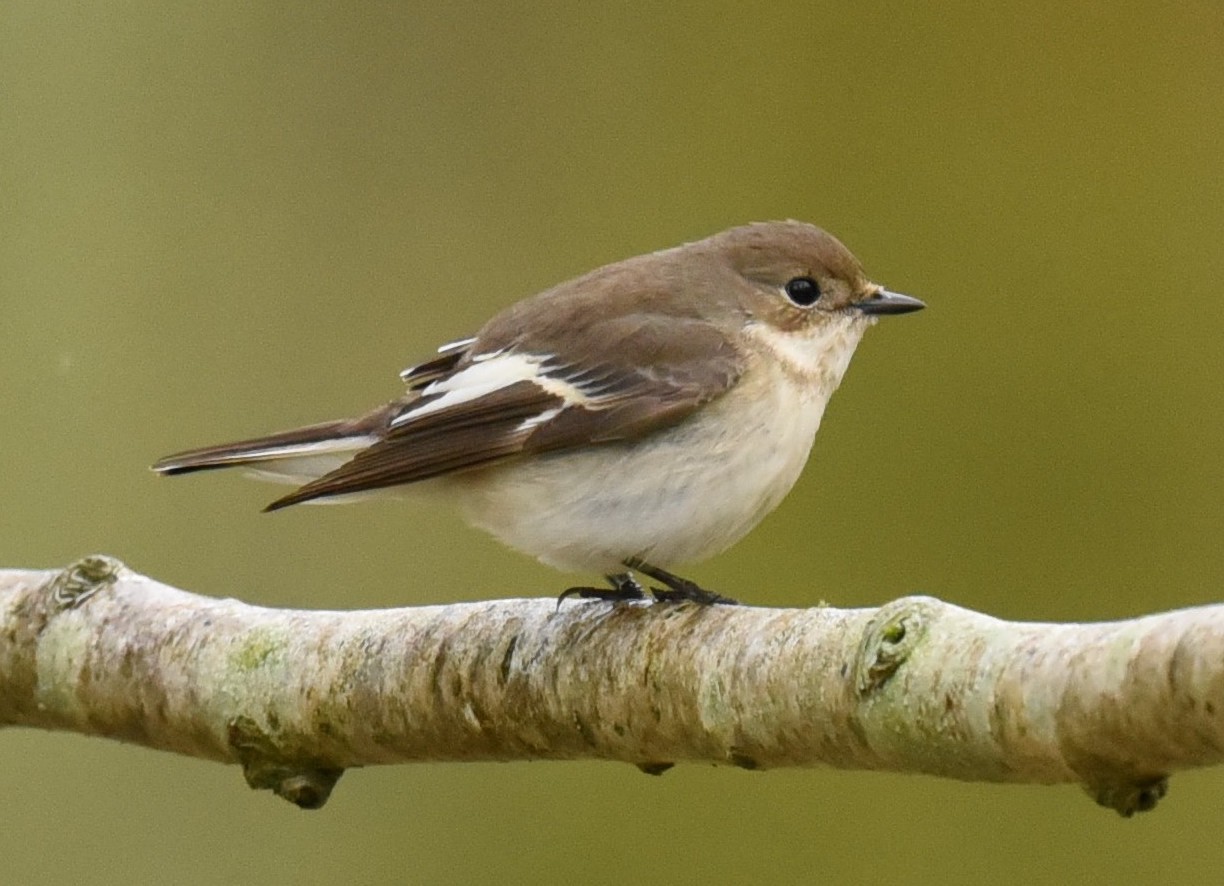
Female Pied Flycatcher (c) 2024 Symon Fraser
Mistle Thrush (c) 2024 Symon Fraser

ditto
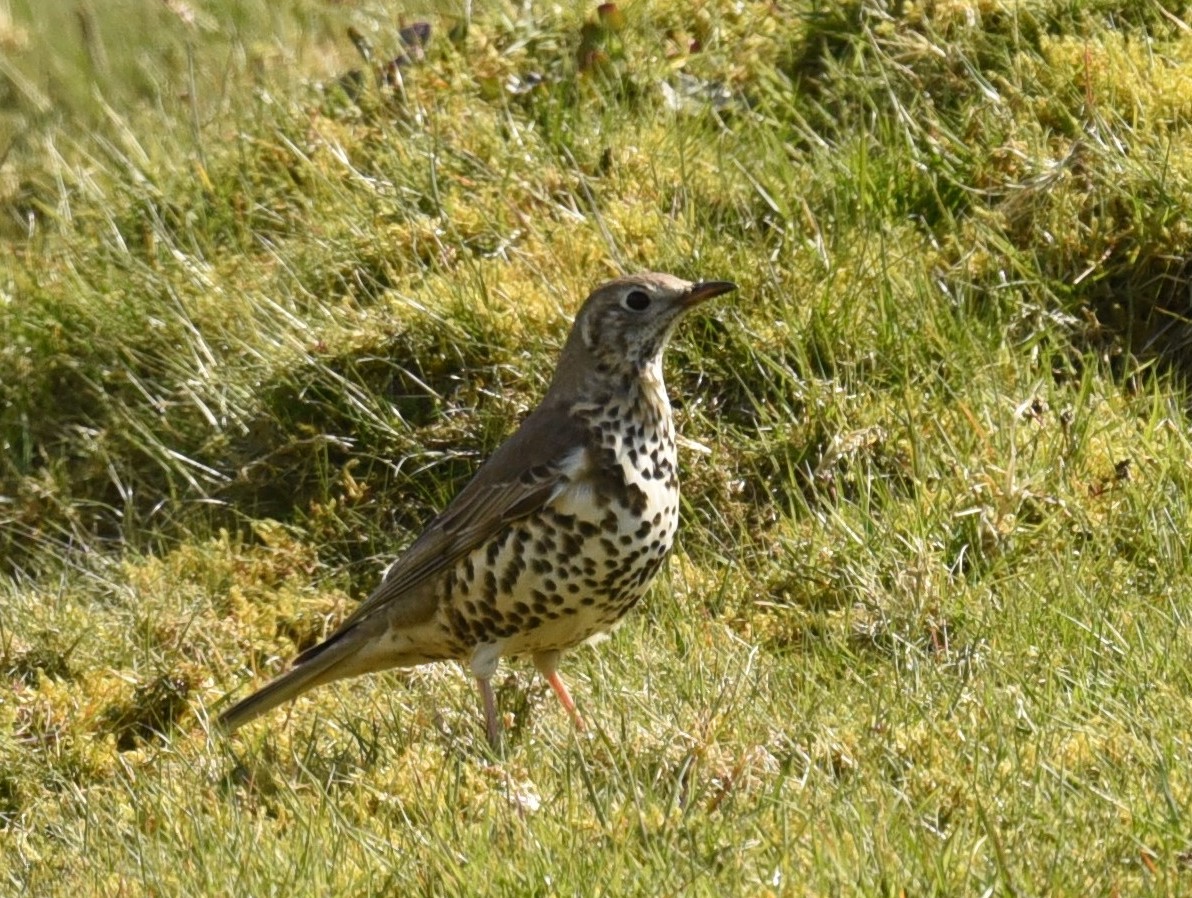
Song Thrush (c) 2024 Symon Fraser

Coal Tit (c) 2024 Symon Fraser

ditto

Long-tailed Tit (c) 2024 Symon Fraser

Chiffchaff

Meadow Pipit (c) 2024 Symon Fraser

Speckled Wood (c) 2024 Symon Fraser

Muntjak (c) 2024 Symon Fraserb

ditto

The Osset couple have recently returned from a holiday in Tenerife.
Whimbrel (c) 2024 Mike Woods

ditto

Yellow-legged Gull (c) 2024 Mike Woods

ditto

Tenerife Chiffchaff (c) 2024 Mike Woods

ditto

However, on Wednesday they checked out the Calder area.
Wren (c) 2024 Mike Woods

ditto

Goosander (c) 2024 Mike Woods

ditto
ditto

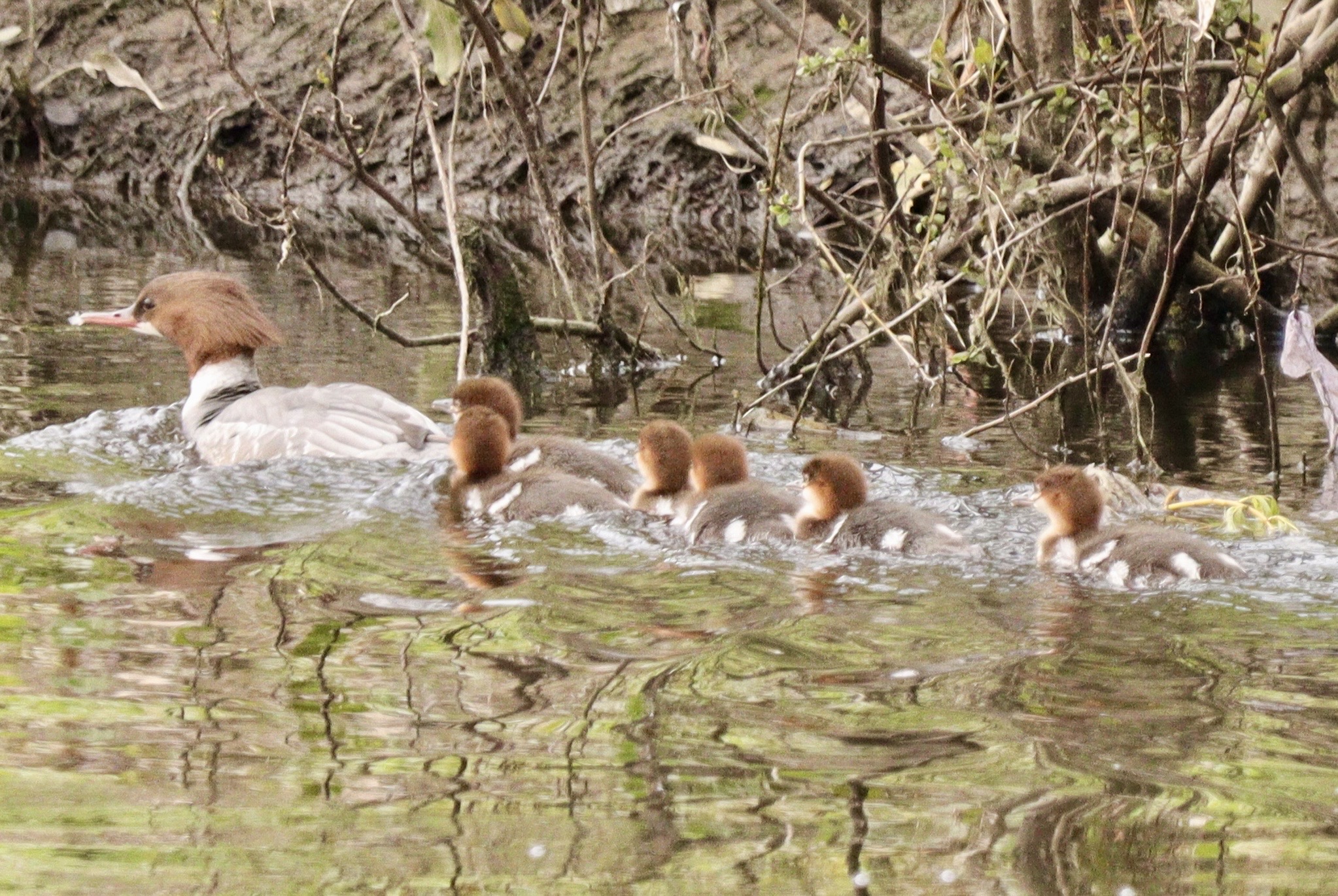
Goosander Ducklings


